5 Questions to Ask Before Buying a Waterfront Home in Coastal Georgia

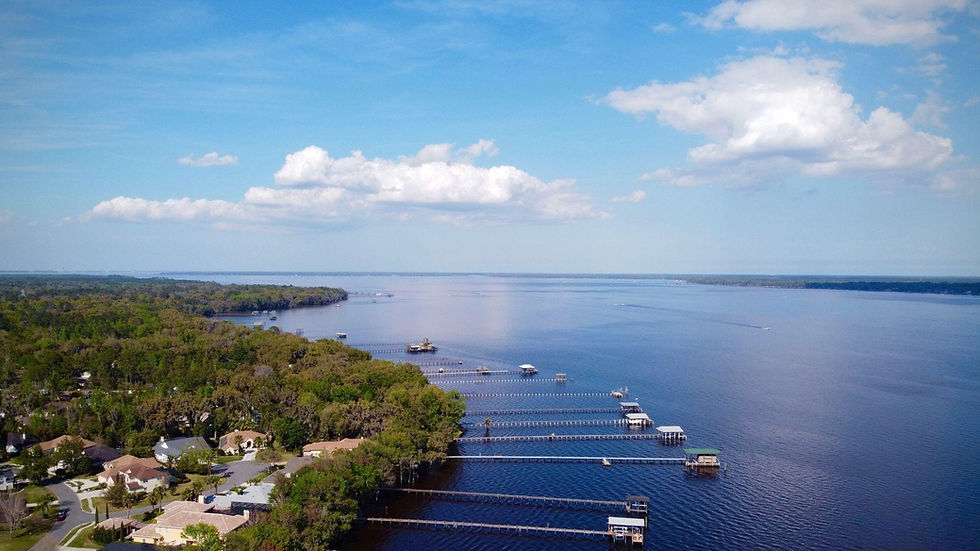
A waterfront home can offer features such as a view of the marsh at sunrise, a dock for getting out on the water, or proximity to a historic waterfront district. But the view is only one part of the purchase. Before buying, it’s important to understand the property’s boundaries, water access, exposure to tides and storms, insurance needs, and long-term marketability.
At Coastal Roots Realty, we help buyers look beyond the listing photos and ask the questions that matter before making a decision. If you’re exploring waterfront homes Coastal Georgia, use these five questions to guide your research and conversations with the right local professionals.
1. What Exactly Comes with the Waterfront Property?

“Waterfront” can describe very different properties. A home may sit on a tidal creek, face a salt marsh, border a river, or have access to a larger waterway. Those differences can affect how you use the property, and what rights you actually receive when you buy it.
Verify docks, permits, and existing structures
If a home has a dock, pier, bulkhead, boat lift, or other waterfront structure, don’t assume it was properly permitted or that its current condition guarantees it can remain as-is.
Ask the seller for available permits, approvals, surveys, construction records, and maintenance history. Then have the appropriate local and state agencies or qualified professionals verify what applies to the specific property. Depending on the location and proposed work, approvals may involve local authorities and state or federal agencies.
If you’re hoping to build or extend a dock, ask whether that work is permitted in the first place. Restrictions can depend on the shoreline, water depth, habitat, navigation, and the type of structure proposed.
Confirm the marsh boundary and property lines
Marsh edges can be difficult to interpret from a listing photo or a walk around the yard.
A current boundary survey can help identify the legal property lines, while a qualified surveyor or relevant authority can help clarify the location of marsh areas and any applicable jurisdictional boundaries.
Make sure you understand which areas are part of the property, which are subject to restrictions, and whether any easements or access rights affect how the land can be used.
Ask what “water access” means
A listing may mention access to the Intracoastal Waterway, but that doesn’t necessarily mean the property includes a private navigable route, a dock with sufficient depth, or an unrestricted right to travel from the property to the waterway.
Ask the seller to explain the access arrangement and provide documentation for any claimed easements or shared access. Have an attorney or other qualified professional review the relevant deed, easements, covenants, and title materials before you rely on them.
2. How Do Tides and Coastal Weather Affect the Home?
Tides are part of daily life along the Georgia coast. Water levels can change significantly over the course of a day, and weather can affect both the shoreline and structures near the water.
Before buying a waterfront home in Coastal Georgia, learn how the property behaves during different conditions, not just how it looks during your showing.
Look beyond the high-tide view
Ask whether the dock, creek, or nearby water remains usable at low tide. If boating is important to you, check the water depth at the times you expect to use it and whether the route is affected by shoaling or other navigational limits.
It’s also useful to visit at different tide stages, if possible. A marsh-front home may offer wide water views at one point in the tidal cycle and a very different view later.
Inspect shoreline structures and drainage
Bulkheads, seawalls, docks, pilings, and stairs can be costly to repair or replace. Look for visible deterioration, leaning sections, erosion, damaged fasteners, or signs of repeated water intrusion. A general home inspection may not cover every waterfront structure in depth, so ask whether a specialist inspection is appropriate.
Check how rainwater drains away from the home and whether low areas collect water. Coastal storms and heavy rainfall can affect landscaping, access paths, and shoreline stability. Ask about previous storm damage, repairs, and any recurring drainage issues.
Plan for coastal maintenance
Salt air, humidity, wind, and moisture can be hard on exterior materials and metal components. Landscaping close to the shoreline may also face changing soil and water conditions. Ask what maintenance has been needed and which materials or systems have required the most attention.
A waterfront property doesn’t have to be a maintenance burden, but it should come with a realistic maintenance plan and budget.
3. What Insurance Coverage Will the Property Need?
Insurance deserves attention early in the buying process. A waterfront home’s location, construction, roof, elevation, claims history, and exposure to wind or flooding can all affect coverage and cost. Premiums and availability vary by property, so a broad estimate for the area isn’t enough.
Ask for property-specific quotes
Before you commit, speak with an insurance professional who can review the exact address and the coverage you need. Ask about homeowners insurance, wind or named-storm coverage, deductibles, exclusions, and whether flood insurance is required by your lender or advisable based on the property’s risk.
Flood insurance is separate from standard homeowners insurance in many circumstances. Don’t assume that a home outside a high-risk flood zone cannot flood, or that a lender’s minimum requirement is the same as the coverage you would want.
Review more than the premium
Compare the policy limits, deductibles, covered causes of loss, and exclusions—not just the annual price. Ask how the policy treats detached docks, seawalls, boat lifts, and other waterfront structures. Coverage for these items may be limited, excluded, or handled separately.
You’ll also want to understand whether the home’s age, roof condition, or prior claims could affect eligibility. If you’re buying an older property, get clarity on any repairs the insurer may require.
4. What Amenities and Access Are Available Near the St. Marys Waterfront and Cumberland Island?
Waterfront living in Coastal Georgia can mean different things depending on the community.
In St. Marys, the historic waterfront is connected to the river and maritime activity. The waterfront area offers walking areas, local dining, and views of the water.
St. Marys is also the gateway to Cumberland Island, known for its natural landscapes and protected coastal environment. Access to the island is by ferry, and trips require planning around schedules and conditions. For residents, it can be a memorable nearby destination, but it’s not the same as having a beach in the backyard.
Match the setting to your routine
Compare the location’s features and access throughout the year.
Consider distance to restaurants and waterfront areas, access to a dock, or views of the marsh from the home. Each property offers a different mix of access, privacy, and convenience.
Check the distance to groceries, healthcare, schools, and major roads. If you’ll commute, drive the route during the hours you expect to travel. A waterfront setting can be appealing, but daily convenience still matters.
Visit in more than one season or condition
If possible, visit during a weekday and weekend, and ask about seasonal changes in traffic, activity, insects, water levels, and maintenance. Also, look for available information about storms, drainage, and upkeep, and ask appropriate local professionals about property-specific concerns. Their perspective can help you form better questions, though it shouldn’t replace inspections or professional verification.
5. How Could the Property Hold Its Value Over Time?

Waterfront homes can attract buyers who value views, water access, and a distinctive setting. But resale value is not guaranteed, and “waterfront” alone doesn’t make a property a sound investment.
When assessing waterfront real estate Coastal Georgia, focus on the factors that could influence both future demand and the cost of ownership.
Compare like with like
Look at recent sales of properties with similar shoreline types, access, size, condition, and location. A marsh-front home without a dock may not be directly comparable to a property with a permitted dock and navigable access. Likewise, a home near a historic waterfront district may have different access, surroundings, and features than a more remote property.
Ask your real estate agent to explain how the comparable sales were selected and what differences may justify a price adjustment. Be cautious about relying on broad countywide averages to value a specific waterfront home.
Consider the cost of owning it
Future buyers will also consider insurance, maintenance, flood risk, access, and the condition of waterfront structures. A property with unresolved permitting questions or expensive shoreline repairs may be harder to sell, even if the view is attractive.
Review available flood maps and elevation information, obtain appropriate inspections, and investigate any planned work or restrictions that could affect the property. For a long-term purchase, it’s wise to think about how the home might appeal to the next buyer—not only how it suits you today.
Waterfront Property Coastal Georgia: A Waterfront Home Checklist Before You Make an Offer
Use these questions to organize your due diligence:
Are the property boundaries and marsh lines clearly documented?
Are existing docks and waterfront structures properly permitted?
What rights, easements, or restrictions apply to water access?
How does the property change between high and low tide?
Have the dock, bulkhead, drainage, and shoreline been inspected as needed?
What insurance coverage is available, and what will it cost?
Are flood risks and any lender requirements understood?
Do nearby services, roads, and amenities fit your routine?
Are comparable sales truly similar to this property?
What maintenance or repairs should be budgeted for now and later?
Explore Waterfront Homes with Coastal Roots Realty
Buying a waterfront home in Coastal Georgia calls for more than choosing a beautiful view. You’ll want to verify what comes with the property, understand how tides and weather may affect it, review insurance options, and assess its long-term costs and resale potential.
Coastal Roots Realty can help you compare waterfront homes for sale Coastal Georgia, understand the local market, and identify the questions to raise with surveyors, inspectors, insurers, and other qualified professionals.
Discuss your plans and take a thoughtful next step toward comparing waterfront properties, their features, and their costs.