An Essential Guide to Commuting from Nassau County to Jacksonville

Living in Nassau County and working in Jacksonville can mean trading a shorter city commute for coastal surroundings, different local amenities, and access to beaches. The key is understanding what that trade-off looks like on an ordinary weekday—not just on a clear Sunday afternoon.
At Coastal Roots Realty, we help people compare communities across Northeast Florida and Southeast Georgia with the practical details in mind: where you’ll drive, what housing costs may look like, and how a location fits your day-to-day routine.
If you’re considering the Jacksonville commute from Nassau County, here are the routes, neighborhoods, and homeownership factors worth researching before you make a move.
Routes, Neighborhoods, and What the Drive Really Looks Like
The Nassau County to Jacksonville transportation and commuting is manageable for many people, but the experience depends heavily on where you start, where you work, and when you travel. A home that looks close to Jacksonville on a map can still involve a long drive during peak traffic.
For planning purposes, treat any drive-time estimate as a starting point, not a guarantee. Check the route during the hours you expect to travel, and leave room for crashes, roadwork, school traffic, and seasonal visitors.
Yulee: convenient access to the main corridors
Yulee is often a practical place to begin a commute comparison because it sits near the US-17 and State Road 200/A1A corridors, with access to I-95 via the area’s road network. Depending on the exact neighborhood and destination, drivers may use SR 200/A1A toward I-95 South, then continue toward Jacksonville.
As a broad planning estimate, allow roughly 35–50 minutes to reach parts of Jacksonville in lighter traffic, and longer during busy periods. Downtown, the Southside, and locations near the airport are different destinations, so there isn’t one universal commute time.
When comparing homes in Yulee, check the actual route from the driveway, not just the neighborhood’s distance from an interstate entrance. Also consider how far you’ll need to drive for groceries, appointments, and other regular errands.
Fernandina Beach: coastal living with an extra leg to the highway
Fernandina Beach offers a distinct coastal setting, but getting to Jacksonville usually means first traveling off Amelia Island. Many drivers head west on SR 200/A1A across the Shave Bridge, then connect to I-95 South.
A reasonable starting estimate is about 45–60 minutes to parts of Jacksonville in lighter traffic, with peak-hour trips potentially taking longer. Your destination matters: reaching the northern edge of the metro area is not the same as driving to downtown or the Southside.
Before choosing a home, try the route at your actual departure time. A short test drive on a weekend won’t reveal what the bridge approach, highway merges, or weekday congestion may feel like.
Match the route to your work location
Work destination | What to check |
North Jacksonville or airport area | Access to I-95 and the final approach to your workplace |
Downtown Jacksonville | Peak traffic approaching the urban core and parking arrangements |
Southside or office parks farther south | Whether the route adds substantial mileage beyond the main highway |
Hybrid or remote work | How often you’ll commute and whether occasional longer drives are acceptable |
If your schedule is flexible, commuting outside the busiest periods may make the drive easier. If you need to be at a specific location at a fixed time, plan around the less convenient version of the commute, not the best-case one.
Florida or Georgia? Compare the Whole Cost of Living

Nassau County is in Florida, while nearby communities such as St. Marys are in Georgia. If you’re considering both sides of the state line, don’t compare home prices alone. Taxes, insurance, commute routes, and the services you use can all affect the overall cost.
State income taxes
Florida does not levy an individual state income tax. Georgia does have a state individual income tax, so a move across the state line can change your take-home pay. The exact effect depends on your income, filing situation, and other tax details; check current rules or speak with a qualified tax professional before making a decision.
Property taxes are a separate matter. They depend on the property’s assessed value, local tax rates, exemptions, and other factors. Florida’s homestead exemption and assessment rules may matter to eligible primary-residence owners, but don’t assume they apply to every property or buyer. Ask the county property appraiser how a specific home would be treated.
Homeowners insurance
Insurance costs can vary substantially from one property to another, even within the same community. In coastal Northeast Florida, insurers may consider factors such as the home’s age, roof condition, construction type, wind exposure, claims history, and flood risk.
Rather than relying on a broad “Florida versus Georgia” average, request quotes for the exact address and coverage you’re considering. Florida’s Office of Insurance Regulation offers a rate-comparison tool for illustrative comparisons, while also advising consumers to obtain quotes based on their own circumstances.
If you’re comparing a home in Yulee with one in St. Marys, review the declarations, deductibles, exclusions, wind coverage, and any flood policy requirements. A lower premium is useful only if the coverage meets your needs.
Lifestyle and everyday access
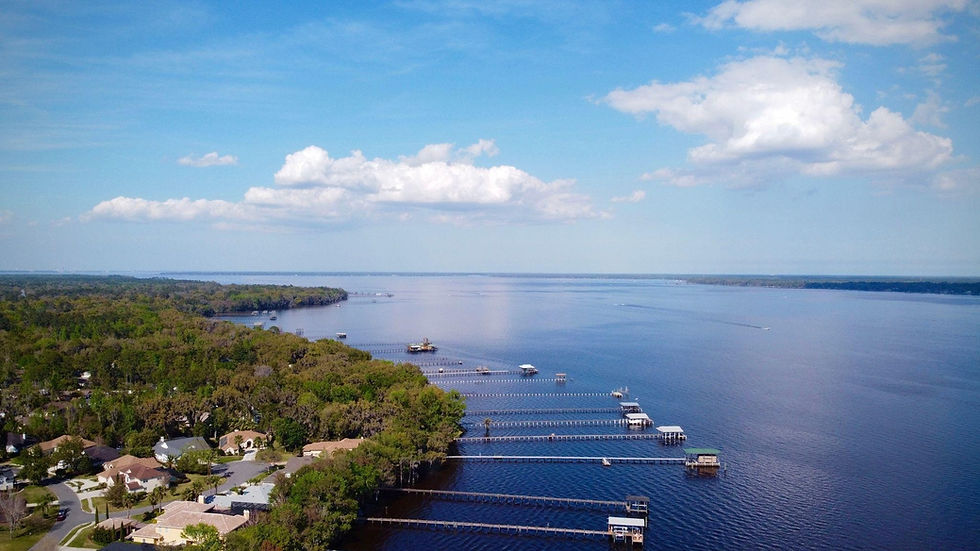
Nassau County’s coastal appeal includes access to beaches, waterways, parks, and the historic downtown area of Fernandina Beach. Local dining and community events can make time outside work feel different from living closer to Jacksonville’s urban core.
That said, coastal access is not the same as being minutes from every service. Consider how far you'll travel for healthcare, shopping, recreation, and your usual errands. If you expect to spend most weekdays in Jacksonville, the commute deserves as much attention as the weekend lifestyle.
Coastal Amenities: More Than a Place to Sleep Between Workdays
One reason people look at Nassau County is the chance to spend free time near the coast. Fernandina Beach’s historic downtown, local restaurants, waterfront areas, and access to Amelia Island’s beaches offer plenty to explore. Yulee provides a different setup, with residential areas and everyday services spread along the main road corridors.
The features you compare may depend on your priorities. You might look at distance to the beach, access to shopping, or how easily you can reach the highway.
Visit at different times of day and week; traffic, events, and seasonal activity can affect what you experience in the area.
What Nassau County’s Property Trends Mean for Buyers
Nassau County has seen substantial long-term housing growth, but recent figures show why buyers should avoid assuming prices will rise steadily every year.
The Federal Housing Finance Agency’s annual house-price index for Nassau County increased from 274.40 in 2021 to 392.65 in 2025 (index, 2000 = 100). That indicates a strong rise over the period, though an index is not the same as the price of a particular home.
The practical takeaway: Nassau County has experienced significant appreciation over the longer term, but current conditions can vary by area, property type, and price range. For a buyer, that means checking recent comparable sales, days on market, inventory, and the condition of the specific home.
Evaluate a property beyond its resale potential
If you’re buying with a long-term horizon, consider whether the home works for you even if appreciation is modest for a period.
Review:
The full monthly cost, including mortgage, taxes, insurance, and HOA dues
The home’s condition and likely maintenance needs
Flood-zone information and insurance availability
Access to your workplace and everyday services
Comparable sales for similar homes nearby
Whether the property’s price leaves room for unexpected expenses
A desirable location can support demand, but it can’t guarantee future value. Buy based on a realistic budget and a property you’ve evaluated carefully—not a promise that prices will keep climbing.
A Commuter’s Checklist Before You Make an Offer
Before settling on a home, try to recreate a normal workday as closely as possible. The goal is to learn what living there will actually require.
Drive the commute at the right time. Test your route on a weekday near your usual departure and return times.
Check more than one route. Compare the options available from the exact address, and note whether a backup route is realistic.
Calculate the monthly travel cost. Include fuel, tolls if applicable, parking, and the added wear of a longer drive.
Confirm internet service. If you work remotely or have a hybrid schedule, verify providers and available speeds at the property.
Review insurance early. Get a quote before you’re too far into the buying process, and confirm whether flood insurance may be needed.
Compare the full housing cost. A home with a lower purchase price may not be less expensive once taxes, insurance, HOA fees, and maintenance are included.
Visit the area more than once. Check traffic, noise, nearby services, and conditions at different times of day and week.
These steps can help you compare homes in Yulee and Fernandina Beach using the same standards. They’re also useful if you’re weighing Nassau County against a community in Georgia.
Compare Commute and Housing Factors with Coastal Roots Realty
A successful commute from Nassau County to Jacksonville starts with choosing a location that works for your real routine.
Yulee may offer convenient access to major roads, while Fernandina Beach brings a more distinctly coastal setting—with an additional drive across the island to reach the highway.
Neither location offers the same commute or property features; compare them based on your destination, schedule, budget, and the features you’re considering.
Discuss your commute, housing priorities, and the areas you’re considering.
Coastal Roots Realty can help you compare communities, evaluate homes, and think through the practical details of buying in Northeast Florida and Southeast Georgia.